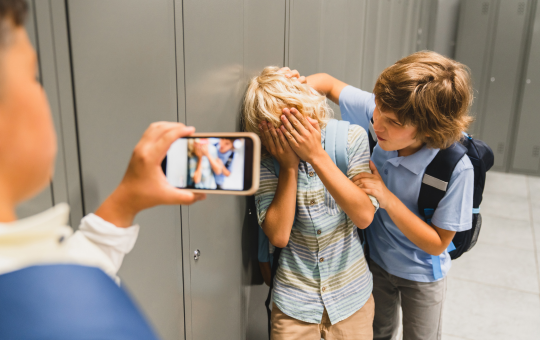

Artificial intelligence is rapidly reshaping how children learn, communicate and experience the online world. Alongside significant opportunities, it is creating new and increasingly complex safeguarding risks. Almost one in four secondary teachers now report being aware of a pupil at their school creating an AI-generated sexual image or video of another pupil, with one in five saying that the content had been shared with classmates. Deepfakes, AI-generated sexual abuse, cloned voices, fabricated conversations and harmful chatbots are no longer hypothetical concerns: schools are responding to them now.
The publication of Keeping Children Safe in Education 2026 brings these risks firmly into the safeguarding landscape. From September 2026, incidents involving AI-generated sexual images of children must be treated as safeguarding concerns, in the same way as incidents involving real images. Schools must ensure that their policies, staff knowledge, curriculum and incident-response procedures reflect the ways in which artificial intelligence can be used to create, amplify and distribute harm.
When an AI-related concern emerges, school leaders and Designated Safeguarding Leads must be ready to act quickly. They need to establish what has happened, assess immediate risk, preserve evidence without increasing its circulation, support the children involved and determine when concerns should be escalated to the police, children’s social care or other agencies.
This timely conference moves beyond awareness of the risks to examine what effective school preparation and response look like in practice. Leading safeguarding, online-safety and education experts will explore the implications of KCSIE 2026 alongside deepfakes, sextortion, digital manipulation, chatbot dependency, technology-assisted grooming and child-on-child abuse involving AI.
Throughout the day, delegates will gain practical tools to help them review existing arrangements, recognise warning signs, manage incidents and strengthen whole-school safeguarding practice. From testing policies and clarifying leadership responsibilities to responding during the critical first stages of an incident, the conference will help schools become more confident, resilient and prepared for AI-generated harm.
By the end of the conference, you will be able to:
Understand how artificial intelligence is changing children’s online experiences, relationships, behaviours and vulnerabilities
Recognise safeguarding risks including deepfakes, nudification tools, sextortion, cloned voices, fabricated content, harmful chatbots and AI-enabled grooming
Understand the strengthened expectations within KCSIE 2026 and what schools need to have in place from September
Review safeguarding, behaviour, online-safety, acceptable-use, filtering and monitoring arrangements in light of AI related risks
Clarify responsibilities across the DSL, senior leadership team, governing body, IT team and data protection lead
Identify the immediate steps to take when responding to an AI-generated safeguarding incident
Manage disclosures, devices, screenshots and digital evidence without inadvertently increasing harm
Support children affected by AI-generated abuse and respond appropriately to those responsible for creating or sharing harmful content
Strengthen pupil, staff and parent understanding of deepfakes, chatbot risks, digital manipulation and safer online relationships
Develop clear actions to strengthen AI safeguarding across policy, curriculum, staff training and whole-school Practice